When buying a property, knowing the types of pre-purchase building inspections can be the difference between a good investment and a costly mistake. A full inspection reveals hidden problems that can affect the value, safety and livability of the property. With so many types of inspections out there, knowing which one is right for you is key to making an informed decision.
This guide takes you through the most common types of pre-purchase building inspections, what each one covers and how to choose the right one for your situation. In many cases a full inspection will also involve reviewing relevant documents such as warranties and maintenance records to give you a full picture of the property’s condition.
Why Pre-Purchase Building Inspections Matter
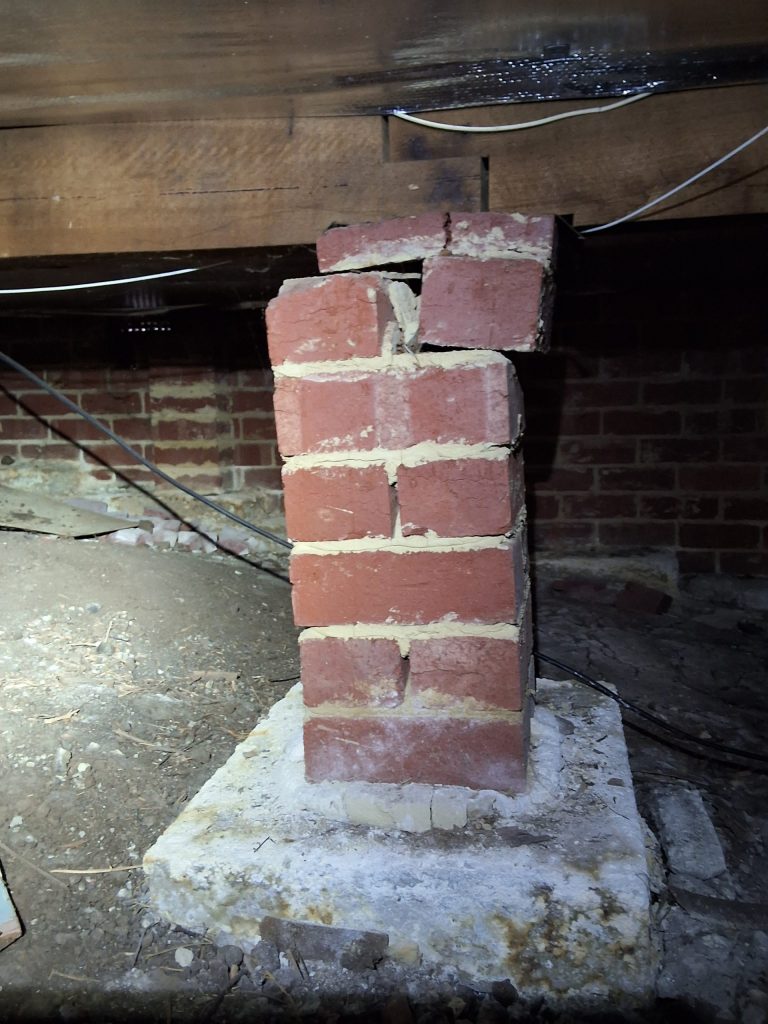
Before we get into the types of inspections, let’s first understand why these assessments are so important. A pre-purchase building inspection provides an objective assessment of the property before you buy. It’s essential to have the property inspected by a qualified professional before you buy to make sure you are fully informed about its condition.
These inspections can reveal structural defects, safety hazards, pest infestations, major defects and maintenance issues that aren’t visible during a walk through. As the buyer you are responsible for arranging the inspections and it’s common for buyers to have inspections done before they buy to avoid costly surprises. Hiring or choosing to hire a qualified inspector is crucial, always check their licence before you hire. Inspections should be done and carried out by licensed professionals to ensure accuracy and compliance.
Standard Pre-Purchase Building Inspection
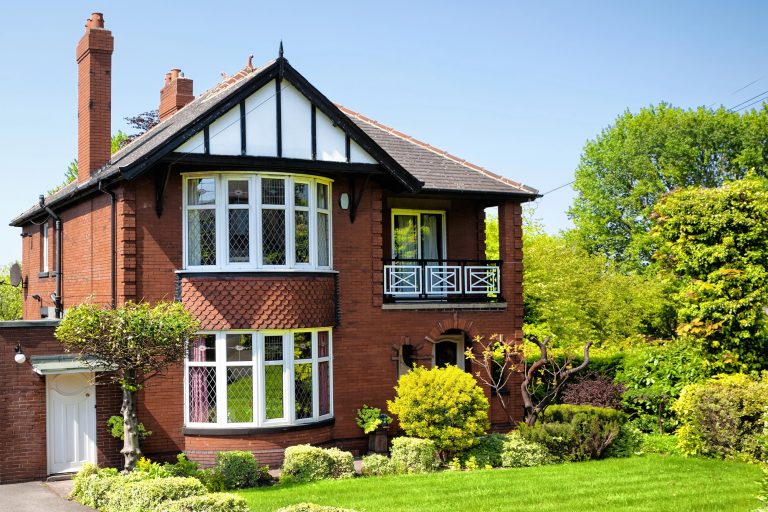
The most common type of inspection is the standard pre-purchase building inspection. It’s essential to have a professional inspect the property to make sure it meets building standards and all systems are working efficiently. This full assessment looks at the visible and accessible areas of the property to identify any existing or potential problems, including all details of the house. Standard inspections are especially important for houses built before 1990 as these may contain asbestos and require special attention. For houses a termite inspection is also important, especially for older properties. Buyers should check for a warranty document and maintenance schedules for key systems to ensure proper maintenance. Always check the inspector has a current licence, is fully insured and has the necessary qualifications to do the inspection.
Pre-Purchase Building and Pest Combination Package
The most comprehensive approach is to combine both building and pest inspections into one assessment. This package offers the convenience of having both inspections done at the same time and often provides cost savings compared to booking them separately.
Benefits of the Combined Approach
A combination inspection ensures nothing gets missed. While the building inspector looks at structural and construction issues, the pest specialist looks for termite activity and timber pests. You’ll get two detailed reports covering all major issues in one process.
This is ideal for buyers who want complete peace of mind and the most comprehensive understanding of a property’s condition before purchase.
Building Stage Inspections
For those building a new home or doing major renovations, building stage inspections provide oversight at critical construction stages.
Key Construction Stages
Stage inspections occur at:
- Base stage: After excavation and before concrete slab is poured
- Frame stage: After frame is erected and before cladding begins
- Lock-up stage: When the building is enclosed but before internal fit-out
- Fixing stage: After plumbing, electrical and insulation installed
- Practical completion: Before final handover
Each stage inspection verifies that work complies with building codes and approved plans. Catching issues early prevents costly fixes later and ensures your builder maintains quality throughout the project.
Specialist Inspections
Depending on your property’s features or your specific concerns, additional specialist inspections may be required.
Pool and Spa Inspections
If the property has a pool or spa, a specialist inspection checks compliance with safety regulations, equipment condition and structural integrity. A valid pool safety certificate is required for compliance and inspectors will check that safety signs are installed and the pool meets all relevant construction standards.
Electrical Inspections
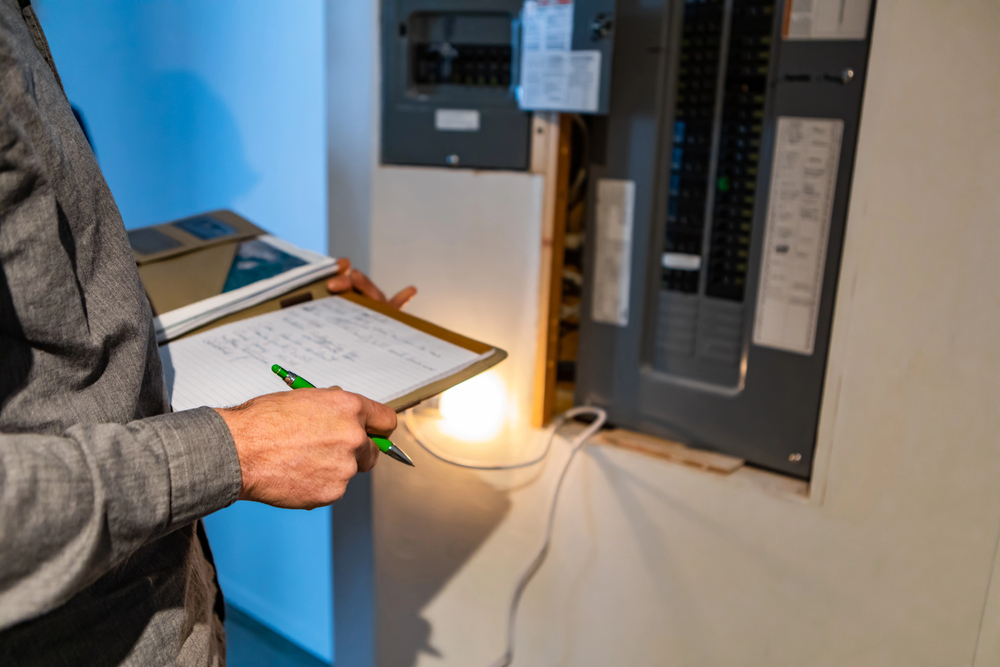
While building inspectors do basic visual assessments, a licensed electrician can provide detailed electrical reports on wiring condition, switchboard safety and compliance with current standards. Electrical inspections should be done by a licensed electrician to ensure safety and compliance.
Plumbing Inspections
Specialist plumbing inspections use CCTV cameras to inspect pipe conditions, identify blockages and assess drainage systems beyond what can be seen during standard inspections.
Structural Engineering Reports
For properties with visible structural defects or major concerns, a structural engineer can provide detailed analysis and recommendations for rectification.
How to Choose the Right Inspection
Choosing the right inspection depends on:
- Property age and type: Older homes need more comprehensive inspections, new homes need builder compliance verification.
- Location: Properties in termite areas need pest inspections, coastal properties need corrosion assessments.
- Property features: Pools, large land, unusual materials may need specialist attention.
- Budget: While comprehensive inspections cost more upfront, they can save thousands by revealing issues before purchase.
- Risk tolerance: Some buyers want maximum information, others focus on standard inspections for standard properties.
For most residential purchases, a combined building and pest inspection provides great value and coverage. If you’re building new or renovating, stage inspections provide quality control throughout the build.
What to Expect During the Inspection
Knowing what happens during an inspection helps you prepare and get the most out of it.
The Inspection Timeline
Standard residential inspections take 2-3 hours depending on property size and complexity. You can attend and ask questions and get a firsthand look at any issues found.
The Inspector’s Process
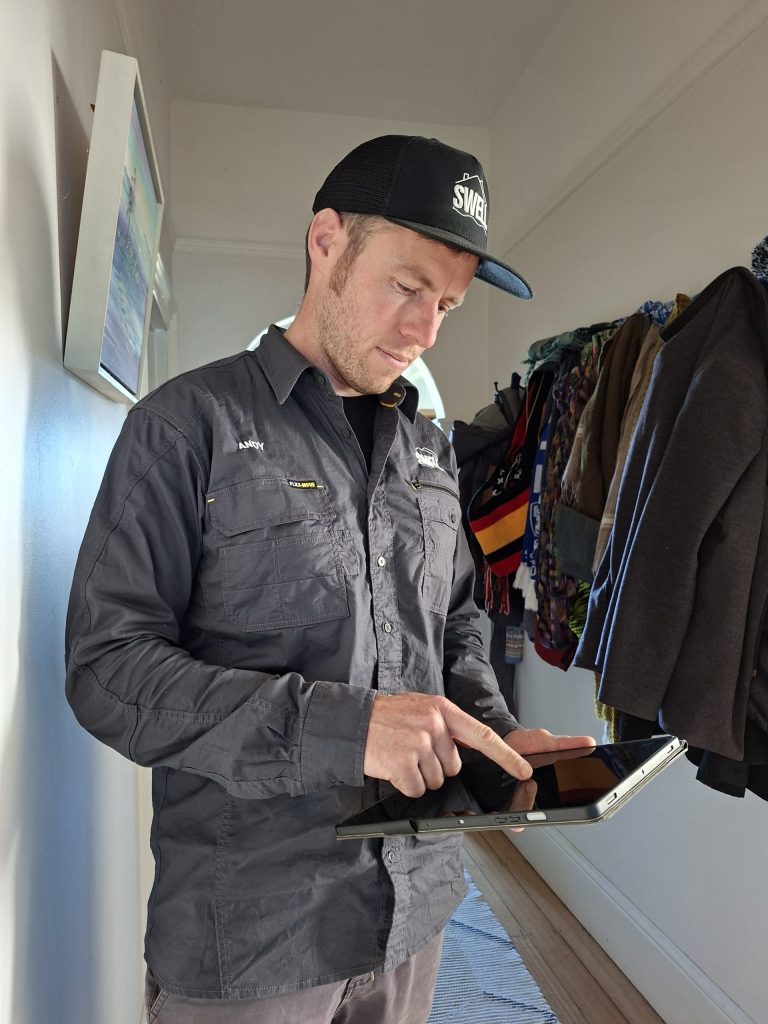
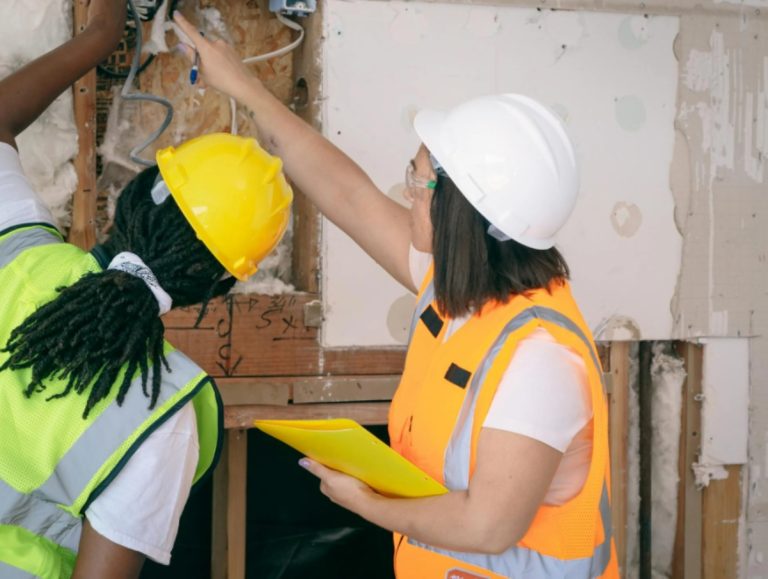
Qualified inspectors work methodically through the property, inspecting all accessible areas. They use specialist equipment including moisture meters, thermal imaging cameras and inspection mirrors to find problems not visible to the naked eye.
The Report
Within 24-48 hours you’ll receive a detailed written report of all findings. Quality reports include:
- Clear descriptions of defects and severity
- Photos of specific issues
- Recommendations for further investigation or repair
- Summary sections for quick reference
- Easy to understand language for non-experts
This report becomes a valuable tool for negotiations and decision making.
Choosing a Qualified Inspector
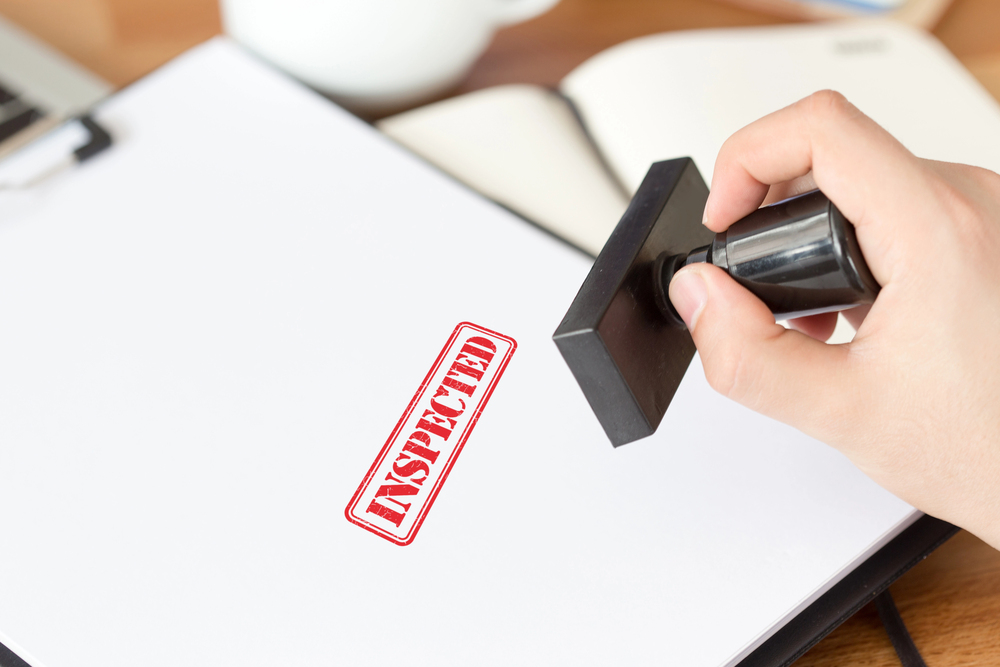
The quality of your inspection depends on your inspector’s qualifications and experience. Look for inspectors who:
- Are current licensed and insured
- Have relevant building qualifications and experience
- Are members of professional associations
- Provide comprehensive clear reports
- Are good communicators and available
- Have good reviews and references.
Protect Your Investment
Now you know the different types of pre-purchase building inspections, you can make informed decisions about what your property needs. Whether you choose a standard building inspection, a combined building and pest package or special assessments for unique features, professional inspection is worth the investment for your property.
The small cost of a thorough inspection is peanuts compared to the cost of undiscovered defects. By choosing the right inspections for your situation, you’ll feel more confident in your purchase and more at ease with your property.
Ready to book your pre-purchase building inspection? Contact Swell Building Inspections today to discuss your property inspection needs and get a comprehensive report from experienced, licensed professionals. Our reports give you the knowledge to buy with confidence.